
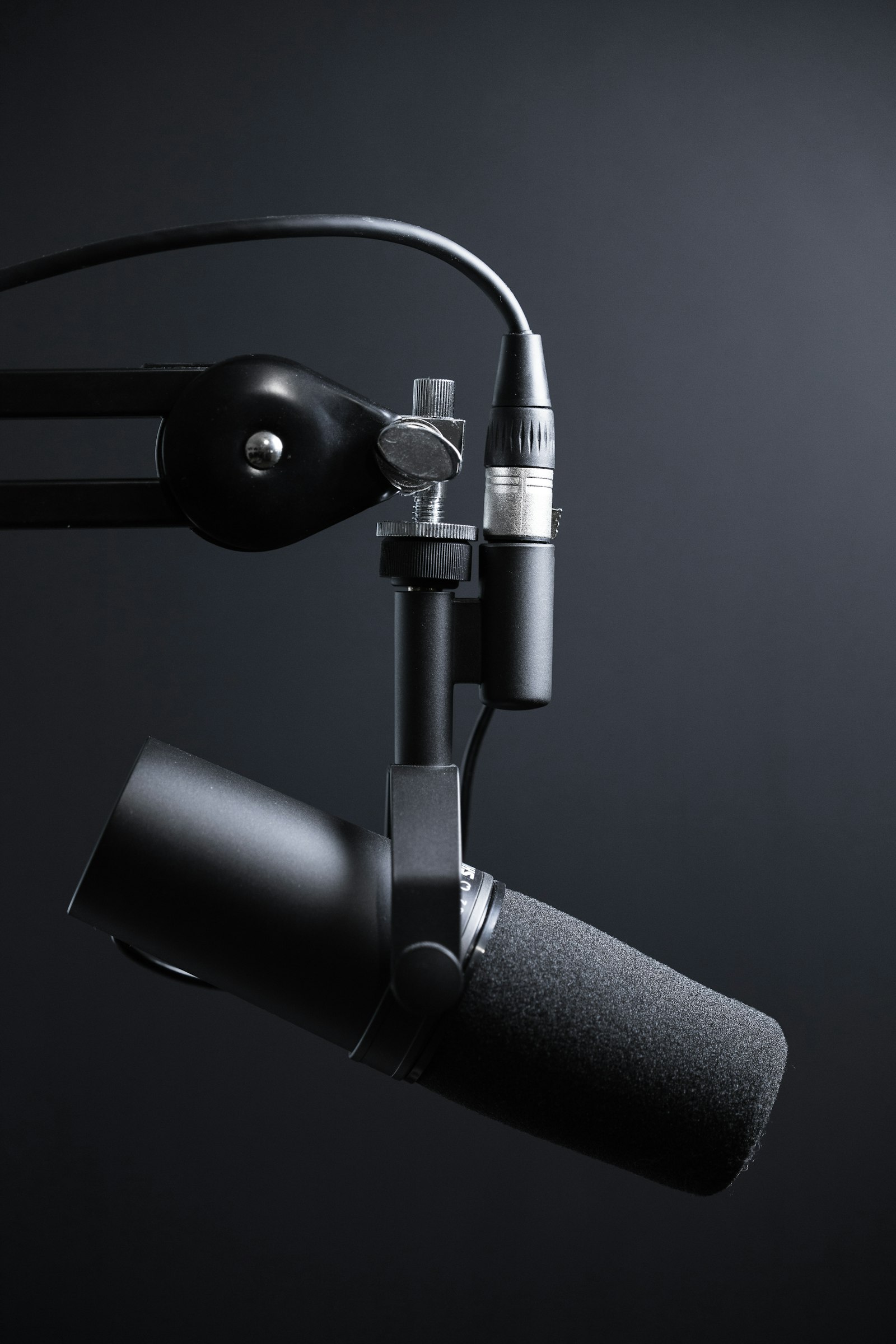
Every voice AI demo sounds great in the vendor's video. Then you call the deployed number and there it is: that half-second of dead air after you stop talking — the pause that instantly tells your customer they're talking to a machine. In voice, latency isn't a performance metric. It's the product.
Why 300 milliseconds is the magic line
Human conversation runs on astonishingly tight timing: in natural speech, the gap between one person finishing and the other starting is typically a couple of hundred milliseconds. Stretch that gap toward half a second and something in the listener's brain flags it — the exchange starts feeling like walkie-talkie, people talk over the bot, trust drops. Get the response flowing within roughly 300ms and the conversation simply feels like a conversation. That's the entire game.
Where the milliseconds go
A voice agent is a pipeline, and every stage spends from the same budget: capturing audio and turning it into text, deciding the caller has actually finished (end-pointing — too eager and you interrupt, too patient and you add dead air), the language model producing the first token, text-to-speech producing the first audible sound, and the network hops between all of it. Naively chained — wait for full transcript, wait for full LLM answer, wait for full audio file — you land at two seconds and the illusion is dead.
How the budget is actually met
- Stream everything. Transcribe while the caller speaks, start the model on the transcript as it stabilises, start speaking the answer while the rest is still being generated. Nothing waits for anything to finish.
- First syllable beats full sentence. The metric that matters is time-to-first-audio. A natural "Sure —" flowing in 200ms buys the pipeline patience for the substance behind it.
- Right-size the thinking. Acknowledgements and routing run on small, fast models; only genuine reasoning waits for a big one. Nobody needs a frontier model to say "let me pull that up."
- Handle interruption like a human. Real callers barge in. The agent has to stop talking mid-word, re-listen, and recover — dropped barge-ins are how transcripts end up with two conversations at once.
- Sweat the boring geography. Co-locating speech, model and telephony infrastructure saves real round-trips. Milliseconds are physics before they're software.
Why demos lie
Demos run in quiet rooms, on wifi, with cooperative speakers and short questions. Production is a contractor on a speakerphone in a moving van. The difference between the two is exactly the engineering above — which is why we tell buyers: never judge a voice vendor by their video. Judge them by a live call you place yourself.
Where we stand
Voice is one of our own products: Snakescript Voice does sub-300ms streaming speech, neural TTS with cloning, and autonomous agents that dial, converse and summarise calls. We built the pipeline once, properly, and every client build inherits it. The proof is a phone call away — ask the studio live to hear it, or book the 20-minute call and we'll demo it on the call itself.


Comments
No comments yet — start the conversation.